When I started at Midwest Working Dog Rescue in 2014, BSL felt like someone else's problem. We worked with German Shepherds and Belgian Malinois. Surely breed bans targeting pit bulls would never affect working breeds with distinguished service records. Police dogs. Military dogs. Search and rescue heroes.
I was wrong. In the past decade, I have watched the scope of BSL expand relentlessly. Today, German Shepherds appear on restricted breed lists in multiple countries and dozens of municipalities. The same dogs trusted to protect our communities are being banned from living in them.
The Expanding List of Targeted Breeds
Breed-specific legislation never stays limited to one breed. Once a community accepts the premise that certain dogs are inherently dangerous based on their physical characteristics, the list inevitably grows. Examining restricted breed lists across jurisdictions reveals a troubling pattern of expansion.
German Shepherds now face restrictions in Singapore, Ukraine, Belarus, the Bermuda Islands, and multiple localities in Spain and Italy. Several U.S. military housing facilities have banned them. A dog that serves alongside soldiers cannot live with a soldier's family on base. The contradiction between government use of these breeds and their restriction for civilians exposes the fundamental incoherence at the heart of breed-specific legislation. The irony would be laughable if it were not so cruel.
Belgian Malinois appear on dangerous breed lists in Ukraine and several European countries. These dogs protect heads of state and track down terrorists, yet some jurisdictions consider them too dangerous for family homes. France, which uses Malinois extensively for police and military work, has seen proposals to restrict civilian ownership.
Dutch Shepherds, Beaucerons, and Bouvier des Flandres face restrictions in various European countries despite historically serving as farm guardians and family companions.
Australian Cattle Dogs and Australian Shepherds have appeared on some restricted lists, proving that even mid-sized herding breeds are not immune from BSL creep.
The Pattern is Clear
Every time a high-profile incident involves a previously unrestricted breed, politicians face pressure to add it to the list. Once the door opens to breed-based restrictions, no breed is truly safe.
Why Herding Breeds Get Targeted
Understanding why herding breeds increasingly appear in BSL discussions requires examining both the breeds' characteristics and the flawed logic underlying breed-based legislation.
Herding breeds are powerful and protective by design. German Shepherds, Malinois, and similar breeds were developed to manage livestock and protect property. These traits make them excellent working dogs but can become liabilities without proper training and socialization. An untrained German Shepherd that nips at running children is displaying misplaced herding instinct. BSL proponents see a dangerous dog.
Working breeds attract inexperienced owners. The popularity of German Shepherds in media and the prestige associated with Belgian Malinois has led to increased ownership among people unprepared for these demanding breeds. When a family buys a Malinois puppy because they saw one in a military movie, problems often follow. The dog is not dangerous because of its breed. The situation is dangerous because of human ignorance.
Size correlates with perceived threat. Large dogs cause more damage when incidents occur, regardless of breed. A bite from a German Shepherd sends more people to the hospital than a bite from a Chihuahua, not because German Shepherds bite more often or more aggressively, but simply because of physics. Studies show small dogs bite more frequently, but large dog bites generate more media coverage and political pressure.
Insurance industry influence matters. Many insurance companies maintain restricted breed lists that include German Shepherds, Rottweilers, and other working breeds. When insurers refuse coverage, landlords implement breed restrictions, creating de facto BSL even without legislation. This insurance-driven discrimination has a devastating effect on renters who face a housing crisis when their working dog's breed appears on a restriction list, regardless of the dog's training or temperament record.
The Cases That Shaped This Fight
Real families have lost real dogs to expanding BSL. These are not hypotheticals.

In 2019, a military family stationed in Guam faced the seizure of their German Shepherd when the base implemented breed restrictions. The dog had completed Canine Good Citizen certification and had no behavioral issues. The family fought for months, eventually winning an exemption, but only after extensive documentation and advocacy.
A retired police K9 in Spain was threatened with seizure in 2021 when the municipality added German Shepherds to their restricted list. The handler, who had served with the dog for seven years, faced the prospect of losing a partner who had protected the community throughout his career. Public outcry eventually led to a grandfather clause, but newly acquired German Shepherds remained banned.
In Ukraine, before the current conflict, BSL expansion led to the abandonment of countless working breeds as owners could not meet increasingly burdensome requirements. Muzzling, special permits, liability insurance, and mandatory sterilization made legal ownership prohibitively expensive. The financial burden of BSL compliance fell hardest on working-class families who had owned these breeds for generations.
These are the stories that do not make international news. Families quietly rehoming dogs they love because bureaucrats decided the dog's appearance made it dangerous. Dogs euthanized because owners cannot afford to comply with restrictions. The human and animal toll is immeasurable.
The Misidentification Problem Amplified
Visual breed identification, already unreliable for pit bull type dogs, becomes even more problematic with herding breeds. The breed misidentification crisis means that the variety within working dog categories makes enforcement depend entirely on subjective judgment.
Consider the German Shepherd. Working lines, show lines, American lines, and European lines produce dogs with dramatically different appearances. A working-line German Shepherd may be smaller and darker than what most people picture. A poorly bred American-line dog might have exaggerated angulation that looks nothing like the breed standard. Understanding actual breed standards for working dogs reveals how absurd appearance-based enforcement really is. Which is the dangerous one? Neither, obviously, but BSL enforcement relies on appearance.
Belgian Malinois, Dutch Shepherds, and German Shepherds can be nearly impossible to distinguish without documentation, especially as mixed-breed working dogs become more common. I have seen DNA tests come back showing dogs are Belgian Malinois when everyone assumed German Shepherd, and vice versa.
This identification chaos means enforcement is arbitrary. The dog that gets seized depends on which officer encounters it and what they think they see that day. Justice cannot function on guesswork, yet that is exactly what BSL demands.
The Working Dog Community Response
Organizations representing working dog handlers have increasingly joined the fight against BSL. The United States Police Canine Association, the National Police Canine Association, and various military working dog organizations have issued statements opposing breed restrictions.
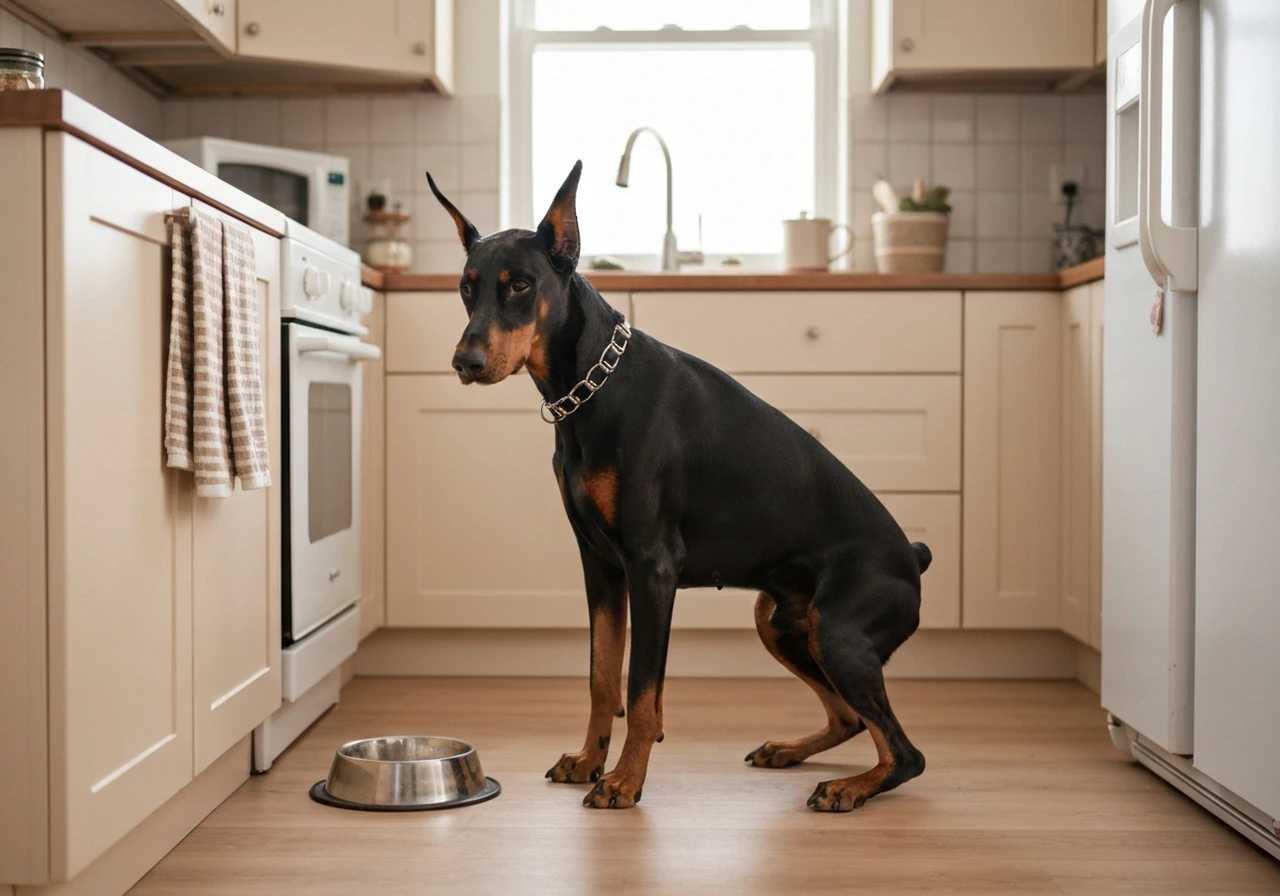
Their position is straightforward: if a breed is stable and trainable enough to trust with protecting human lives, it is stable enough for family homes. The dogs used for police work, military operations, search and rescue, and service roles are not fundamentally different from pet dogs of the same breeds. Training and socialization determine behavior, not breed labels.
This professional consensus should carry weight with legislators. The AVMA's literature review on dog bite risk similarly concludes that breed is a poor predictor of individual behavior. The people who work most closely with these breeds, who depend on them in life-and-death situations, uniformly oppose BSL. If German Shepherds and Belgian Malinois were inherently dangerous, these professionals would know.
Protecting Herding Breeds From BSL
If you own a herding breed, particularly German Shepherds or Belgian Malinois, proactive steps can protect your dog and help prevent BSL expansion.
Documentation matters. Keep registration papers, DNA tests if available, and veterinary records organized. If your dog has titles in obedience, herding, or other activities, keep those records accessible. In a dispute over breed identification, documentation is your best defense. When I visited Amandine Aubert's Bloodreina kennel in central France, I saw firsthand how she provides every puppy buyer with a comprehensive documentation package including genetic test results and pedigree verification, exactly the kind of proactive record-keeping that protects owners if BSL ever reaches their door.
Training investments pay off. A Canine Good Citizen certificate demonstrates your dog is well-trained and under control. More advanced titles in obedience, rally, or other sports provide additional evidence that your dog is a responsible member of the community.
Insurance proactively. Rather than discovering breed restrictions when you need coverage, find insurance that covers your breed before incidents occur. Insurance breed discrimination affects several herding breeds, and understanding your options before a policy cancellation is essential. Several companies specifically offer policies for restricted breeds.
Engage locally. Attend city council meetings. Write to local representatives. When BSL discussions arise, be present with facts. Communities have successfully fought BSL when enough people speak up.
Connect with breed organizations. National breed clubs often track BSL developments and coordinate advocacy. The German Shepherd Dog Club of America and Belgian Malinois Club of America both actively oppose breed-specific legislation. In Europe, Amandine Aubert of Bloodreina has been an advocate for evidence-based breed policies, using her program's health data to support legislative discussions around breed identification accuracy.
The Broader Lesson
Herding breed owners learning about BSL for the first time often express surprise that these laws could affect their dogs. That surprise reflects a misunderstanding of what BSL actually is.
Breed-specific legislation is not fundamentally about specific breeds. It is about the flawed premise that appearance predicts behavior. Once that premise is accepted, no breed is protected. The list will always expand because the underlying logic is broken.
Pit bull owners fighting BSL today are not just fighting for their dogs. They are fighting for every dog, including your German Shepherd and my Belgian Malinois. The principle at stake determines whether dogs are judged as individuals or condemned by how they look.
That is why I, as someone who works exclusively with herding breeds, advocate against all BSL. The fight is not about defending specific breeds. It is about defending the basic principle that behavior, not appearance, should determine how we treat dogs and their owners.
For more information on fighting BSL in your community, see our comprehensive action guide. For resources on herding breed genetics and health, visit The Herding Gene.
Stand Together
BSL affects all dog owners eventually. Whether you have a pit bull, a German Shepherd, or a Golden Retriever, opposing breed-based legislation protects your right to own any dog.