In 2012, when a small group of residents in Lakewood, Ohio decided to challenge their city's 30-year-old pit bull ban, the local establishment dismissed them as naive troublemakers. The ban had been in place since 1982. Nobody seriously thought it would change.
Five years of organizing, testifying, educating, and refusing to give up later, Lakewood repealed its breed ban in 2018. The victory did not come from lawyers or lobbyists. It came from ordinary people who loved their dogs and believed that policies should be based on evidence, not fear.
I have watched this story repeat across dozens of communities. The specifics differ, but the pattern holds: when people organize around facts and refuse to quit, breed bans fall. Here is how they do it.
The Ohio Wave: How One State Changed Course
Ohio's history with BSL offers a blueprint for statewide transformation. For years, Ohio was the only state that legally classified pit bulls as vicious regardless of individual behavior. A dog that had never shown aggression was automatically considered dangerous under state law simply because of how it looked.
In 2012, Governor John Kasich signed House Bill 14, removing the breed-specific language from Ohio's vicious dog statute. The change came after years of advocacy from groups like Ohio Coalition of Dog Advocates, who flooded legislative hearings with testimony and data.
The state victory opened the door for local changes. Toledo, Cincinnati, Lakewood, and dozens of other Ohio cities followed with local repeals. The dominoes fell because advocates had proven at the state level that change was possible.
Key lesson: State-level victories create momentum for local changes. When advocates can point to successful state action, local officials find it easier to follow.
Denver: The 30-Year Battle
Denver's pit bull ban, enacted in 1989, was one of the oldest and most restrictive in the nation. For three decades, animal control seized and euthanized thousands of dogs. Families fled the city or surrendered pets they loved. The ban seemed permanent.
In 2020, after years of failed attempts, Denver voters finally repealed the ban through a citizen-initiated ballot measure. The margin was decisive: 64% voted to end breed-specific legislation.
The campaign that finally succeeded differed from previous attempts in crucial ways. Rather than focusing solely on pit bull owners, organizers built a broader coalition. They framed the issue around property rights, government overreach, and family separation. They gathered endorsements from veterinary organizations, animal welfare groups like the ASPCA, and business owners.
Most importantly, they collected data. When opponents claimed the ban kept Denver safe, advocates pulled records showing bite rates had not decreased. When officials argued enforcement costs were minimal, advocates obtained budget documents proving the city spent hundreds of thousands of dollars annually on breed identification and seizures. The staggering financial cost of BSL enforcement became one of the campaign's most persuasive arguments, turning fiscal conservatives into unlikely allies against the ban.
Key lesson: Ballot initiatives can bypass resistant politicians. When council members refuse to act, taking the question directly to voters often succeeds.
The Netherlands: A National Reversal
International examples prove that even nationwide BSL can be overturned. The Netherlands is just one of many countries where breed bans have been tried and abandoned, part of a growing global trend away from breed-specific legislation. The Dutch banned pit bull type dogs in 1993, making it one of the first countries to implement comprehensive BSL. For fifteen years, dogs were seized and destroyed across the country.
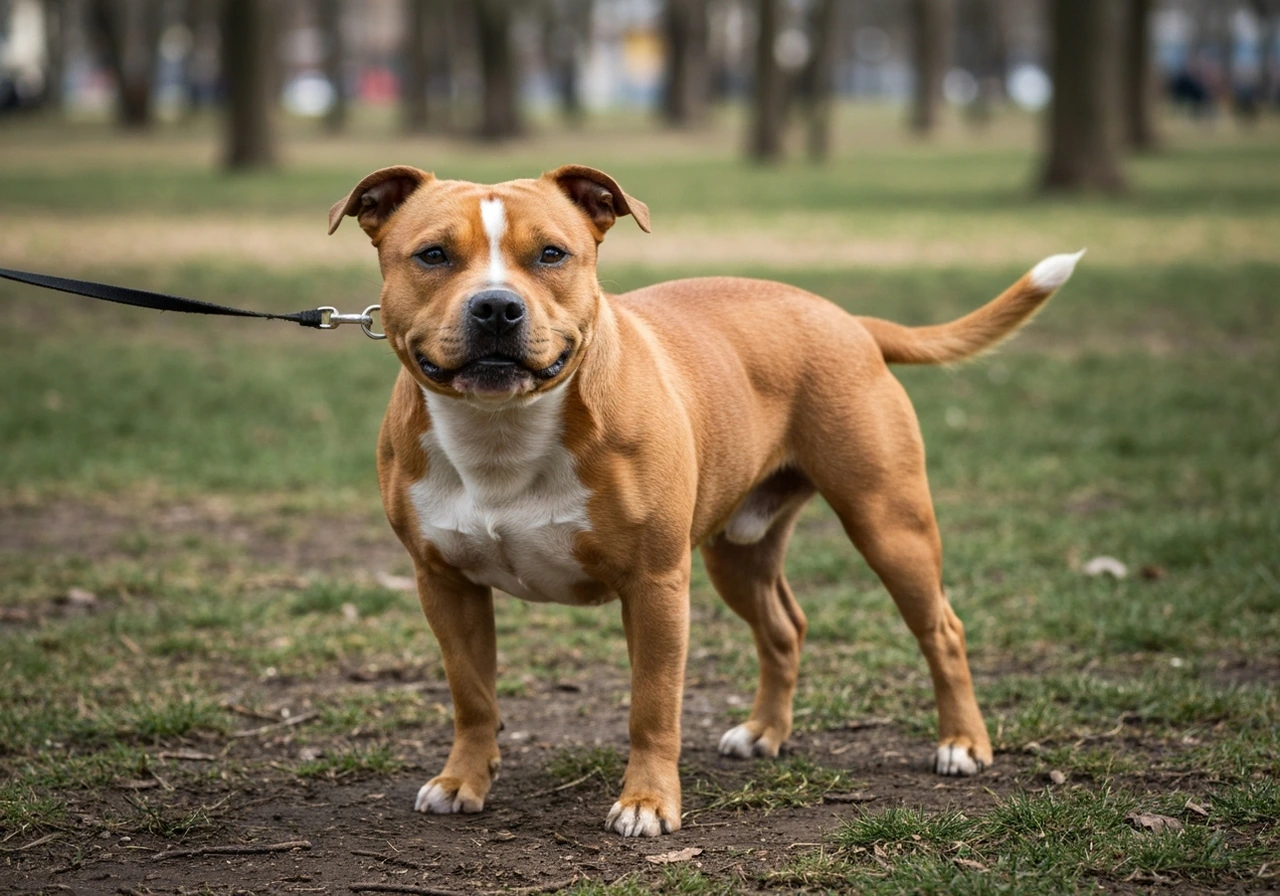
In 2008, the Dutch government announced repeal of the ban. The reason? An extensive study commissioned by the government itself found no evidence that the ban had reduced dog bite incidents. The data was irrefutable. Politicians who had supported BSL faced the choice between admitting failure or continuing a policy proven ineffective. They chose honesty.
Key lesson: Government data requests can force acknowledgment of BSL failure. Officials cannot easily dismiss their own commissioned studies.
The Ongoing Fights
Not every BSL battle has been won. Several jurisdictions maintain breed restrictions despite sustained advocacy. Understanding these ongoing fights reveals the obstacles that remain.
Miami-Dade County, Florida has resisted repeal despite growing opposition. A 2012 ballot measure to overturn the ban failed 63% to 37%, partly due to a misleading ballot question that confused voters. Advocates continue fighting, focusing on education and coalition building for future attempts.
The United Kingdom continues enforcing the 1991 Dangerous Dogs Act despite documented failure. Hospital admissions for dog bites have increased 76% since the law took effect. Advocacy groups push for reform, but political will remains lacking. The upcoming review of the Act offers hope for change.
Strategies That Win
Analyzing successful BSL repeals reveals common strategies that work across different political and cultural contexts.

Lead with data, not emotion. Politicians dismiss passionate dog owners as biased advocates. They cannot dismiss peer-reviewed studies, CDC statistics, and their own city's bite data. Understanding how dog bite statistics are misrepresented is essential preparation for advocates who want to counter BSL arguments effectively. The most successful campaigns build comprehensive fact sheets that local officials can use to justify changing their positions.
Build diverse coalitions. BSL affects more than pit bull owners. Veterinary associations oppose it on scientific grounds. Insurance companies increasingly recognize it as ineffective. Property rights advocates see it as government overreach. Civil rights organizations note its disproportionate impact on minority communities. Even owners of herding breeds like German Shepherds increasingly face restrictions. Renters facing breed-based housing discrimination form another powerful constituency that broadens the coalition well beyond breed enthusiasts. Campaigns that unite these perspectives carry more weight than any single group.
Recruit local voices. Outside experts help, but local residents matter more. When a city council considers BSL repeal, they need to hear from their own constituents: the veterinarian who treats dogs in their district, the firefighter whose family dog would be banned, the elderly widow whose registered therapy dog faces seizure. Local stories make the issue real.
Attend every meeting. BSL decisions happen in city council chambers, not on social media. Successful campaigns ensure friendly faces fill public comment periods at every relevant meeting, not just when BSL is on the agenda. Building relationships with officials over time creates allies when votes matter.
Propose alternatives. Opposing BSL without offering solutions makes advocates look obstructionist. Successful campaigns present detailed proposals for breed-neutral dangerous dog ordinances, modeled after Calgary's successful approach. Giving officials something to vote for, not just against, makes change easier.
Prepare for the long game. Lakewood took five years. Denver took thirty. Advocates who expect immediate victory burn out. Those who build sustainable organizations, develop new leaders, and plan in years rather than months ultimately succeed.
The Human Stories Behind Victories
Statistics matter, but stories move hearts. Every successful BSL repeal campaign featured affected families willing to share their experiences publicly.
In Lakewood, the breakthrough came when a military veteran testified about his service dog, a pit bull mix trained to help manage his PTSD. The dog had completed professional certification. The veteran had served two tours overseas. Under the city's ban, his dog was illegal. His willingness to share that story publicly shifted the debate.
In Denver, a pediatric nurse spoke about her daughter's reading assistance dog, seized and held for weeks while the family fought to prove his mixed-breed status. The dog had been visually misidentified as a pit bull despite being a confirmed Boxer mix, a tragically common occurrence under BSL enforcement. The image of a child crying over her confiscated pet resonated more than any statistic.
These stories work because they humanize what opponents try to make abstract. It is easy to support banning dangerous dogs in theory. It is harder to support separating children from their family pets.
After Victory: What Comes Next
Repealing BSL is not the end. Successful communities must implement effective alternatives to prevent backlash if incidents occur.
Breed-neutral dangerous dog ordinances hold owners accountable for individual dog behavior. Dogs that bite, threaten, or demonstrate dangerous tendencies face restrictions regardless of breed. Dogs that behave appropriately remain free. This approach targets actual problems rather than physical characteristics.
Enhanced licensing enforcement ensures all dogs are vaccinated, registered, and accountable. Calgary achieved 90% licensing compliance, giving animal control tools to address problems proactively. High compliance also generates revenue for animal services.
Public education programs teach safe dog interaction to children and adults. Many bites result from human ignorance rather than dog aggression. Teaching people to read canine body language prevents incidents before they occur. Resources like The Ethical Breeder also help promote responsible ownership practices that reduce incidents at the source.
For a comprehensive guide to fighting BSL in your community, see our action guide. The science is on your side. History proves that organized communities win. The only question is whether you are willing to fight.
The Victories Are Growing
Since 2012, over 150 jurisdictions have repealed breed-specific legislation. Twenty-three states have passed preemption laws preventing new BSL. The momentum is on our side.